
 En
En Cs
Cs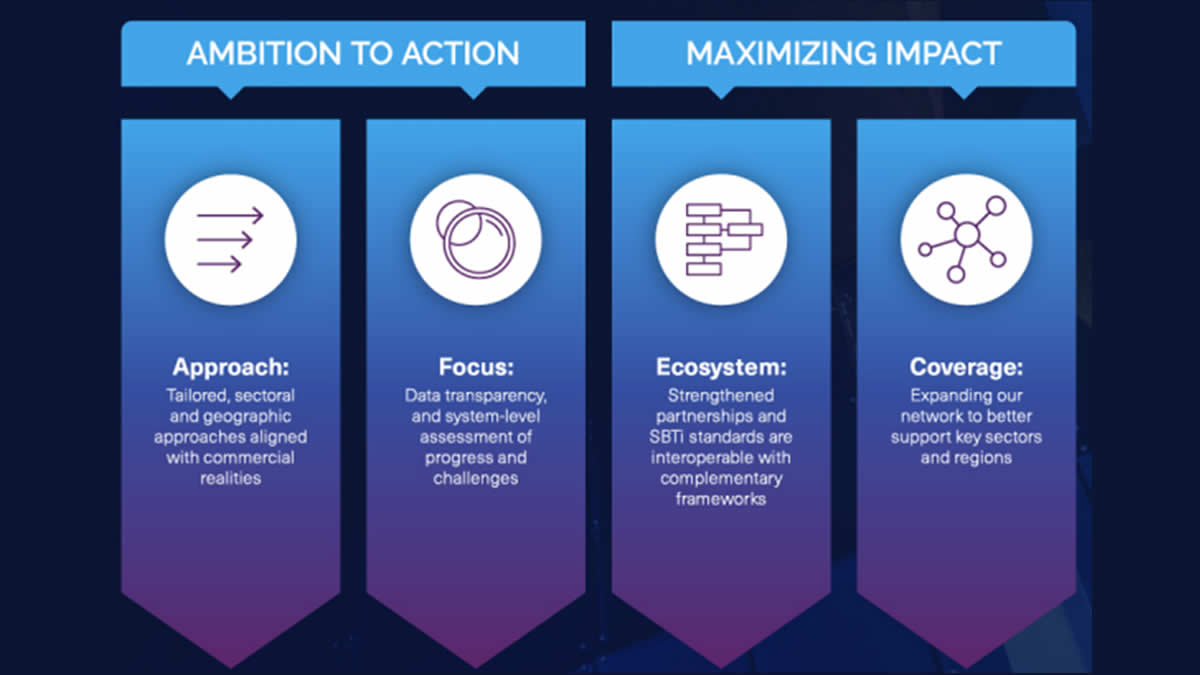
On 21 May 2026, the Science Based Targets initiative (“SBTi”) launched its 2026–2030 strategy, marking a shift from being an “ambition‑setter” to a “transformation partner” (“Strategy”). After building a global movement of over 13,000 companies setting science‑based decarbonization targets, the focus now moves from target-setting to real-world delivery of emissions reductions. This reflects a broader shift in the business landscape, where transition risk, regulatory pressure, and investor expectations are making climate action a core business priority rather than a voluntary commitment. More information about the Strategy is available at this link.
The new Strategy centres on helping companies translate climate targets into tangible business transformation. SBTi will expand beyond validating targets to provide action‑focused, commercially relevant standards, better data and insights, and more practical guidance. A major priority is enabling companies to embed decarbonisation into operations, investment decisions, and value chains, ensuring climate strategies drive long-term competitiveness and resilience.
Four key shifts underpin the strategy: tailored sector‑ and geography‑specific standards, a stronger emphasis on implementation and progress tracking, reduced fragmentation across climate frameworks, and expanded coverage in high‑emitting sectors and regions. These changes aim to simplify the landscape for businesses while increasing accountability and supporting more consistent, measurable progress toward Net Zero.
Overall, the next phase positions SBTi as a partner in delivering systemic change, not just setting ambition. By strengthening partnerships and expanding its global reach, the initiative aims to accelerate emissions reductions at scale and help companies turn climate action into a source of strategic advantage, rather than just a signal of credibility.