
 En
En Cs
Cs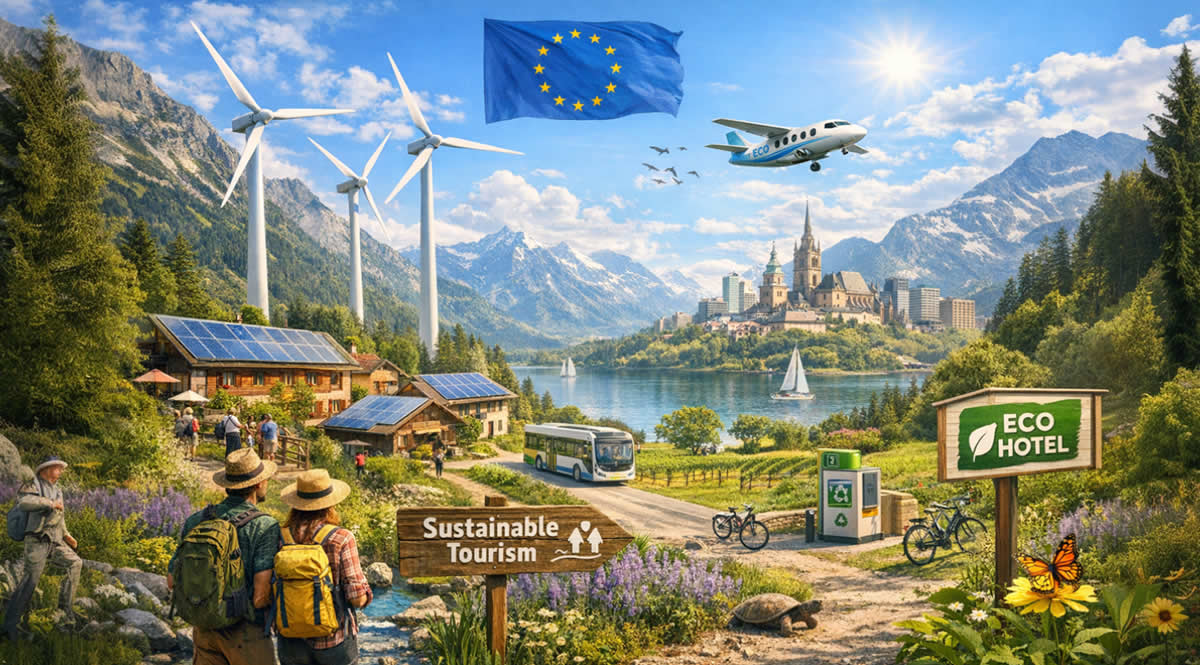
On 28 May 2026, the Council of the European Union adopted conclusions setting out a comprehensive framework to build a sustainable and competitive tourism sector for the 21st century (“Conclusions”). The Conclusions highlight tourism’s significant economic importance, contributing 7% of EU gross value added, 10% of jobs, and supporting 4.6 million businesses, while acting as a key driver of growth, employment, and cultural exchange. The Conclusions are available at this link.
A central priority is the integration of economic, social, and environmental dimensions into all tourism policies. The Council calls for reducing the sector’s environmental footprint through resource efficiency, circularity, decarbonisation, and biodiversity conservation, while ensuring that tourism benefits local communities and respects cultural heritage.
The Conclusions also stress the importance of stronger collaboration through a multi-level governance approach, involving EU institutions, member states, regional and local authorities, and industry stakeholders. They emphasise the need to enhance Europe’s visibility as a safe, sustainable and inclusive destination and to strengthen the international dimension of the tourism ecosystem.
Finally, the Council identifies several key challenges to address, including implementation gaps in the EU tourism agenda, uneven progress across countries, and the need for better working conditions, skills development, and support for businesses. The guidelines also aim to tackle imbalances such as overtourism in popular destinations and insufficient tourism in lesser-known areas, to ensure a more balanced and resilient tourism sector.