
 En
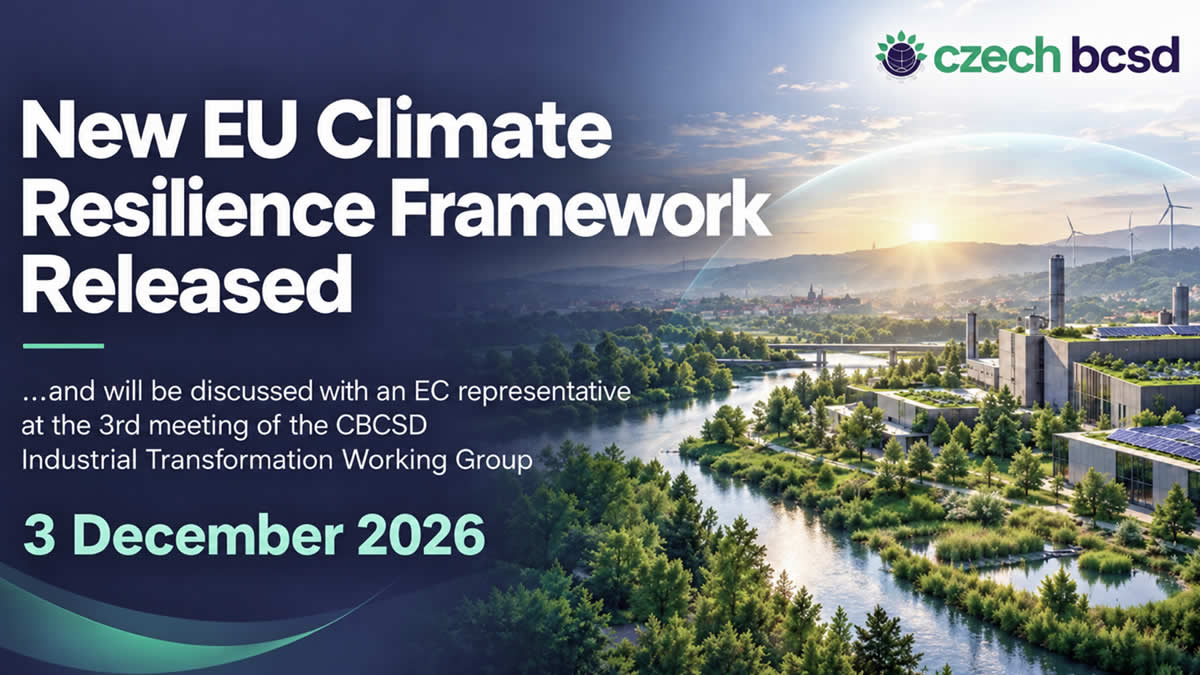
On 27 October 2026, the European Commission presented the new EU Framework for Climate Resilience, (“Framework“) designed to strengthen Europe’s ability to anticipate, prepare for and manage climate risks. At the heart of the new approach is a shift from reacting to damage after it occurs towards systematically preventing climate impacts and embedding resilience in public policy, economic decisions and investments. Further details are available on this dedicated EU Framework for Climate Resilience website.
The Framework includes a proposal for a European Climate Resilience Law. It is intended to establish a common European approach to managing growing climate risks and to embed resilience in policymaking and economic and investment decisions over the longer term.
Key elements of the Framework include a common reference trajectory for global warming, enabling projected future climate conditions to inform decisions concerning policies, assets and investments. The Framework also calls for clear identification of policy risk owners so that climate risks do not fall through institutional gaps. Member States are to use a single strategic plan to meet their planning obligations under the Climate Resilience Law and European Climate Law, accompanied by simpler and more effective monitoring.
The approach responds to the growing economic consequences of climate change. The Commission notes that estimated economic losses from climate damage between 2022 and 2025 amounted to approximately EUR 200 billion, or around EUR 50 billion annually. At the same time, investments in climate resilience and adaptation can generate estimated returns of more than ten times their value through avoided losses and damage.
Public authorities, businesses and communities will also have access to practical support tools. These include the European Climate Viewer, providing projected climate hazards across Europe, the Navigator of Climate Resilience Tools, bringing together adaptation tools tailored to locations, sectors and risks, and the Mission Solutions Explorer, showcasing adaptation projects developed and tested under the EU Mission on Adaptation to Climate Change.
The next meeting of the Industrial Transformation Working Group on 3 December 2026 will dedicate a full one-hour session to the new Framework, with the participation of a representative of the European Commission.