
 En
En Cs
Cs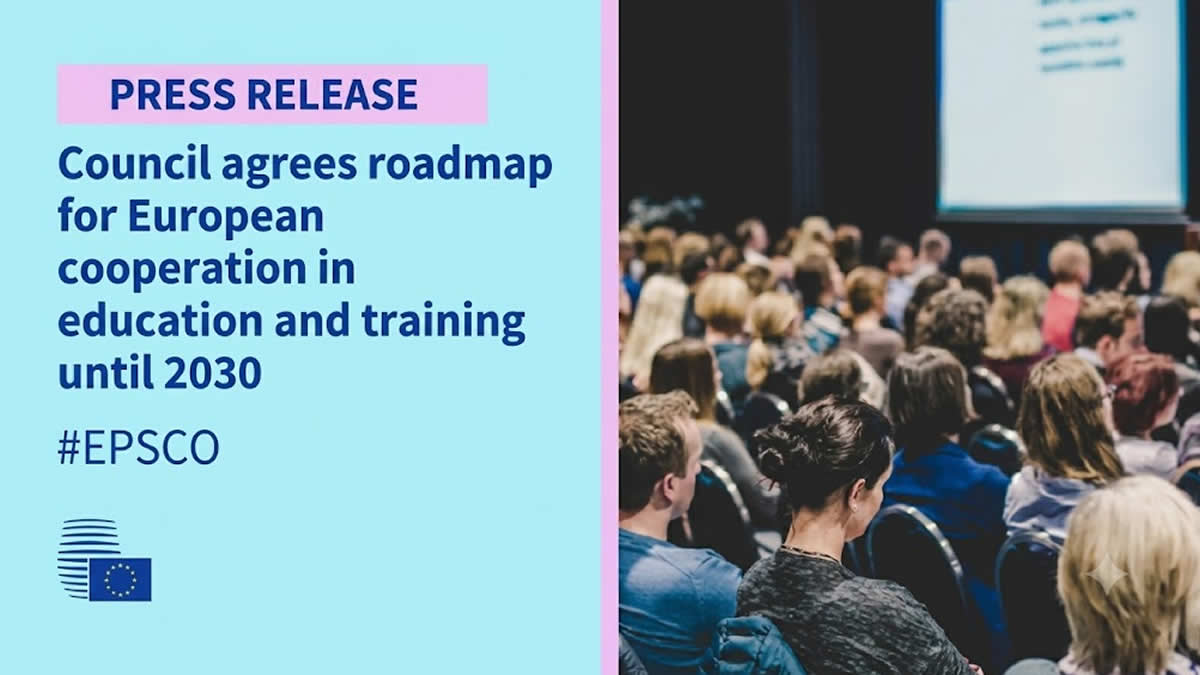
On 29 June 2026, the Council of the European Union approved a new resolution setting the direction for European cooperation in education and training until 2030 („Framework“). The Framework establishes the second cycle of the strategic framework for the European Education Area (EEA) for the period 2026–2030 and defines the key priorities for cooperation among Member States over the next five years. The Framework is available at this link.
The new Framework reaffirms the ambition of completing the European Education Area while maintaining its current governance structure. Particular emphasis is placed on a holistic approach to education and training that supports the development of individuals and society as a whole, as well as on stronger synergies with the Union of Skills initiative aimed at enhancing Europe’s skills base.
The Framework outlines six key strategic priorities for the period up to 2030: strengthening literacy as well as mathematics and science competences, developing digital skills and citizenship education, making lifelong learning and mobility a reality for all, increasing the attractiveness of the teaching profession, further promoting vocational education and training (VET), and enhancing the competitiveness of European higher education.
The adopted Framework also includes a set of EU-level education and training targets for 2030, which have been consolidated into a single document for the first time. The overall objective is to support more resilient, inclusive and future-ready education and training systems capable of responding to Europe’s technological, economic and societal transformations.