
 En
En Cs
Cs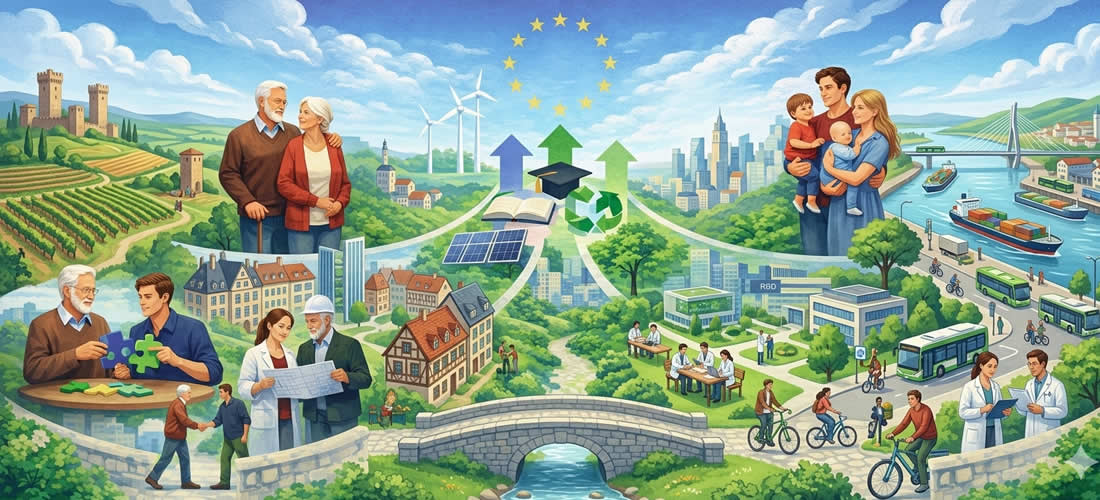
The European Commission has introduced its first-ever strategy on intergenerational fairness, establishing a framework to ensure that today’s policy decisions do not disadvantage future generations. Presented by Commissioner Glenn Micallef in March 2026, the strategy proposes mainstreaming intergenerational fairness across all EU policies through three pillars: fair policy making, fair opportunities and fair places. The Strategy on Intergenerational Fairness is available at this this link.
Four HaDEA-managed research projects already demonstrate this agenda in action. SERENA, a Horizon Europe project, focuses on improving access to health and social care for children who have experienced maltreatment, aiming to reduce the long-term consequences of abuse through EU-level recommendations.
WELL CARE supports the mental health and wellbeing of informal carers and long-term care workers through transdisciplinary collaboration, while TRACTION uses opera and cultural heritage as tools for social inclusion, engaging marginalised groups such as migrants, rural communities and young offenders in co-creating new artistic works.
4P-CAN takes a personalised approach to cancer prevention, bringing together 17 organisations from 11 countries. Through citizen-focused living labs in Romania and Bulgaria, the project raises awareness of modifiable risk factors like smoking, inactivity and pollution to promote behaviour change.
Together, these projects show how the EU’s health and research portfolio actively advances intergenerational fairness — from protecting children and supporting caregivers to preventing disease and bridging social divides across generations.