
 En
En Cs
Cs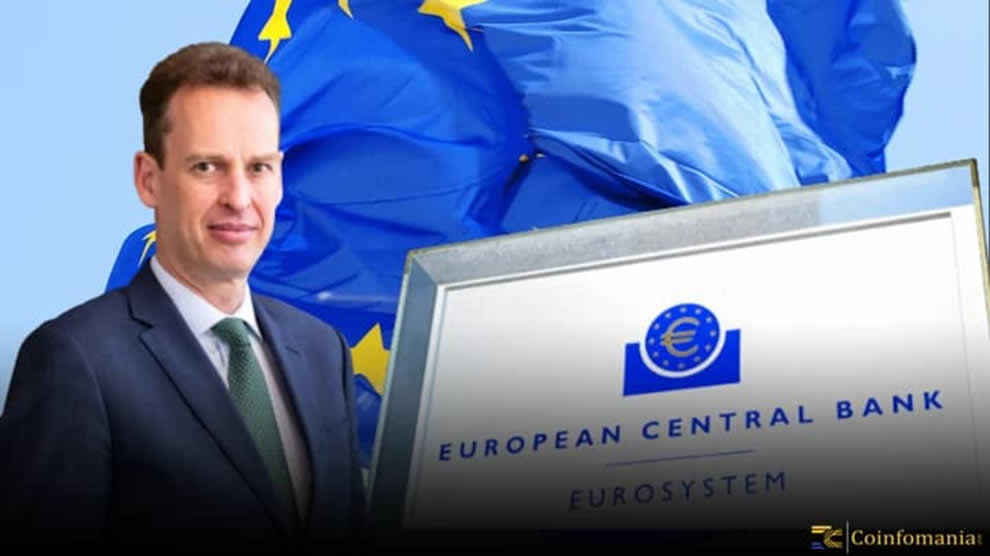
The European Central Bank (ECB) is analyzing how the conflict in the Persian Gulf, disruption of supply routes and sharp fluctuations in oil prices may affect inflation, economic growth and the stability of the EU financial system. According to the ECB, repeated energy shocks increase price volatility and significantly complicate the fulfillment of the central bank’s main mandate – maintaining price stability.
ECB Executive Board Member Frank Elderson has long warned that Europe’s dependence on imported fossil fuels represents a major macroeconomic vulnerability. Energy shocks transmit geopolitical risks directly to domestic prices, burden public budgets and increase uncertainty for businesses and households. According to the ECB, while Europe cannot eliminate geopolitical risks, it can significantly reduce its exposure, in particular by accelerating the transition to domestic, clean energy sources.
Alas, the current situation presents the ECB with a difficult dilemma. Rising energy prices are increasing inflationary pressures, while the economic outlook remains fragile. Raising interest rates, a traditional tool for combating inflation, has only a limited effect on energy prices in the event of a supply shock such as the oil crisis – but it also significantly increases the cost of financing investments, including those that are key to the green transition and the EU’s energy security.
It is in this context that the concept of a “green dual interest rate” is returning to the expert debate. This approach would allow the ECB to maintain a restrictive monetary policy where necessary to control inflation, while offering more advantageous financing for green and strategic projects. The idea thus responds to the so-called “green dilemma” of central banks – i.e. the tension between tightening monetary policy and the need for massive investments into decarbonisation.
Supporters of this approach, including French President Emmanuel Macron and, more recently, the French National Assembly, argue that cheaper capital for green projects would reduce the EU’s dependence on fossil fuel price shocks. This would bring lower inflation risks, higher energy resilience and strengthened European economic sovereignty in the long term – similar to the case in Spain, for example, where the development of renewable sources has helped to cushion the effects of price fluctuations.
This debate is taking place in a broader geopolitical context. As experts point out, war is one of the most polluting activities in the world and increasing military spending often goes against the goals of climate transformation. That is why the ECB is considering how to set its next steps so that its monetary policy not only responds to short-term inflationary pressures, but also does not undermine the long-term stability of the European economy.