
 En
En Cs
Cs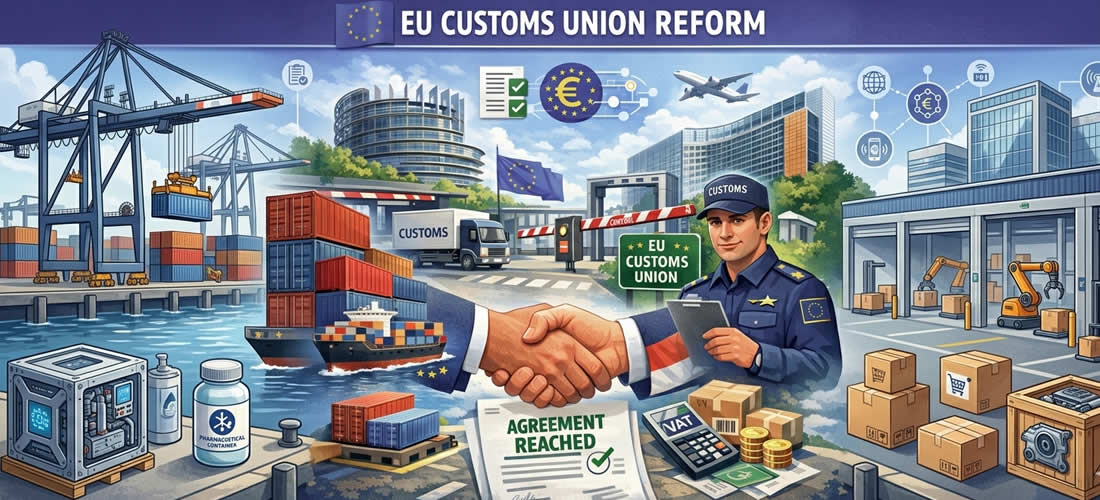
The European Commission has welcomed a landmark reform of EU customs rules – the most ambitious since 1968. The reform introduces new e-commerce measures and a modern, data-driven customs architecture to address challenges such as the surge in low-value imports, unsafe products, fraud and shifting geopolitical dynamics. More information on the customs reform is available at this link.
Central to the reform is a new EU Customs Authority (EUCA) based in Lille, France, managing the EU Customs Data Hub — a single digital interface where businesses submit data only once. This will enable real-time risk management, strengthen fraud detection, and save Member States over €2 billion yearly.
The reform is a turning point for e-commerce. With 5.9 billion low-value items entering the EU in 2025 — over 90% from China — the duty exemption for parcels under €150 will be removed, replaced by a €3 temporary duty from 1 July 2026 and a handling fee from November 2026. Online platforms will bear greater responsibility for compliance, with penalties for systematic non-compliance.
The EUCA launches activities in 2027, with the Data Hub opening for e-commerce in 2028, expanding to all businesses by 2031, and becoming the single mandatory customs entry point in 2034. E-commerce measures have been expedited given their urgency. Czech businesses in international trade should prepare for these phased changes.