
 En
En Cs
Cs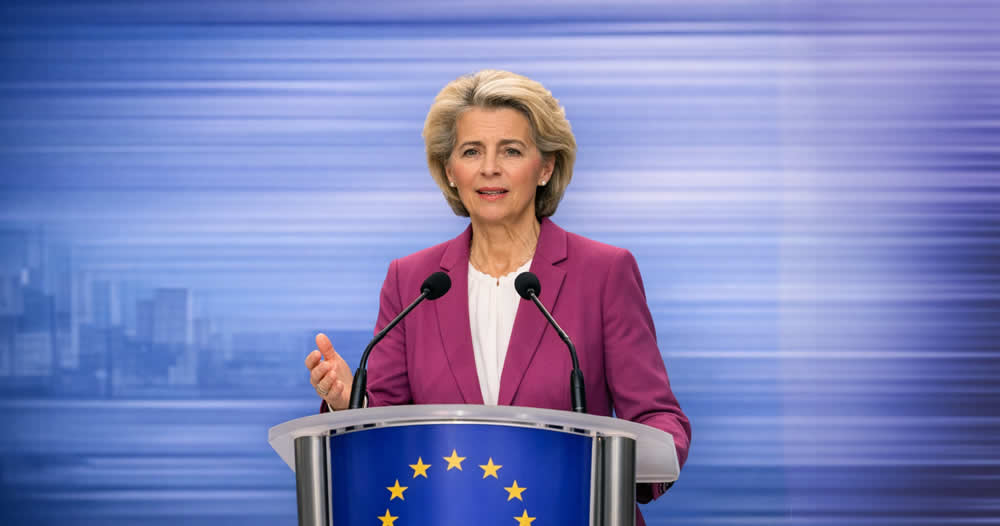
In her speech on 13 April 2026, Ursula von der Leyen warned that the prolonged Middle East conflict is already having severe impacts on Europe’s economy. In just 44 days, EU spending on fossil fuel imports rose by over €22 billion without any increase in energy volumes. The disruption of the Hormuz Strait shows once again that Europe’s dependence on fossil fuels is economically and geopolitically unsustainable, driving up prices of fuel, food and energy for households. To listen to Von der Leyen full speech, use this link.
The Commission will present emergency measures next week focused on three pillars: stronger coordination between member states on gas storage and oil reserves; temporary, targeted support for vulnerable households and affected sectors, including looser state‑aid rules; and demand reduction through energy efficiency, renovations and industrial modernisation.
Alongside short‑term action, the Commission stressed structural reforms to lower energy prices in the long run, accelerate grid development, storage and flexibility, and speed up electrification of industry, heating and transport. Renewables and nuclear already account for over 70 % of EU electricity, but faster rollout of networks and investment is needed. EU funds alone will not be sufficient. Mobilising additional public and private capital will be critical.